Share product
ABS Resin 3.0
ABS Resin 3.0
Couldn't load pickup availability
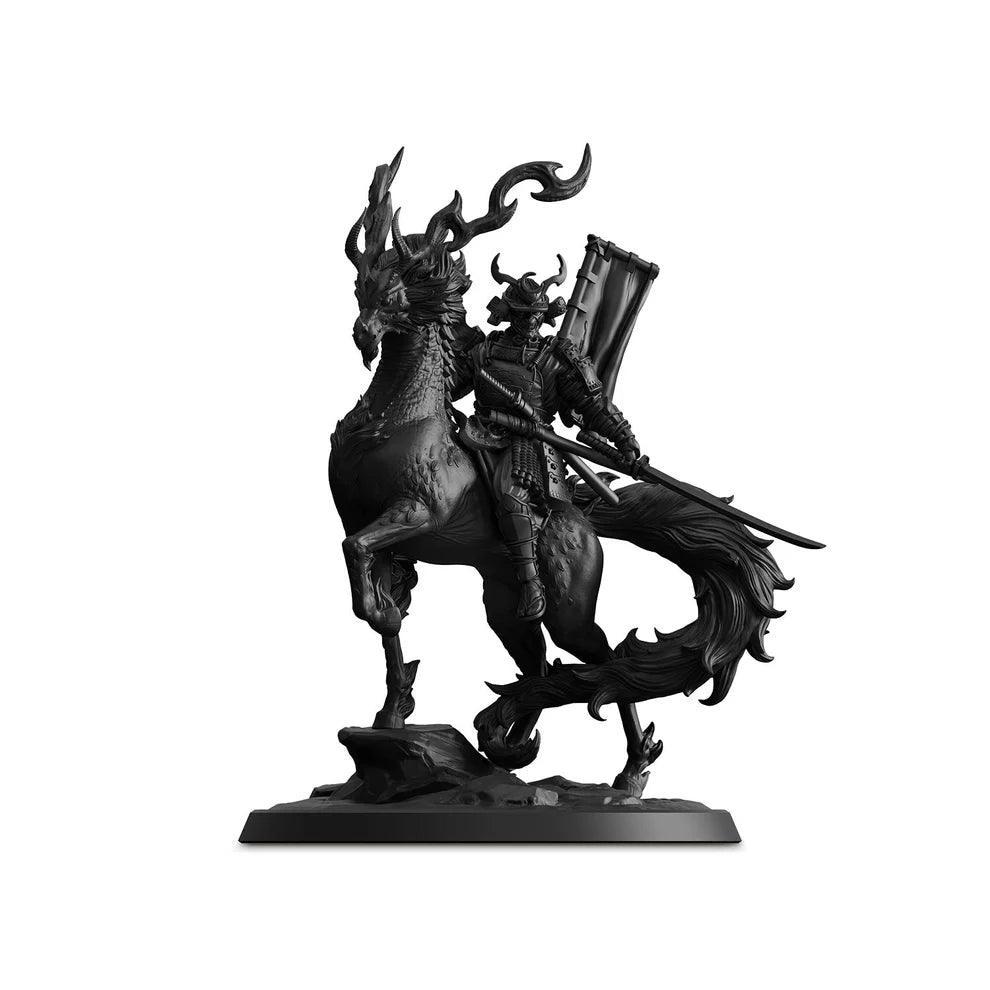
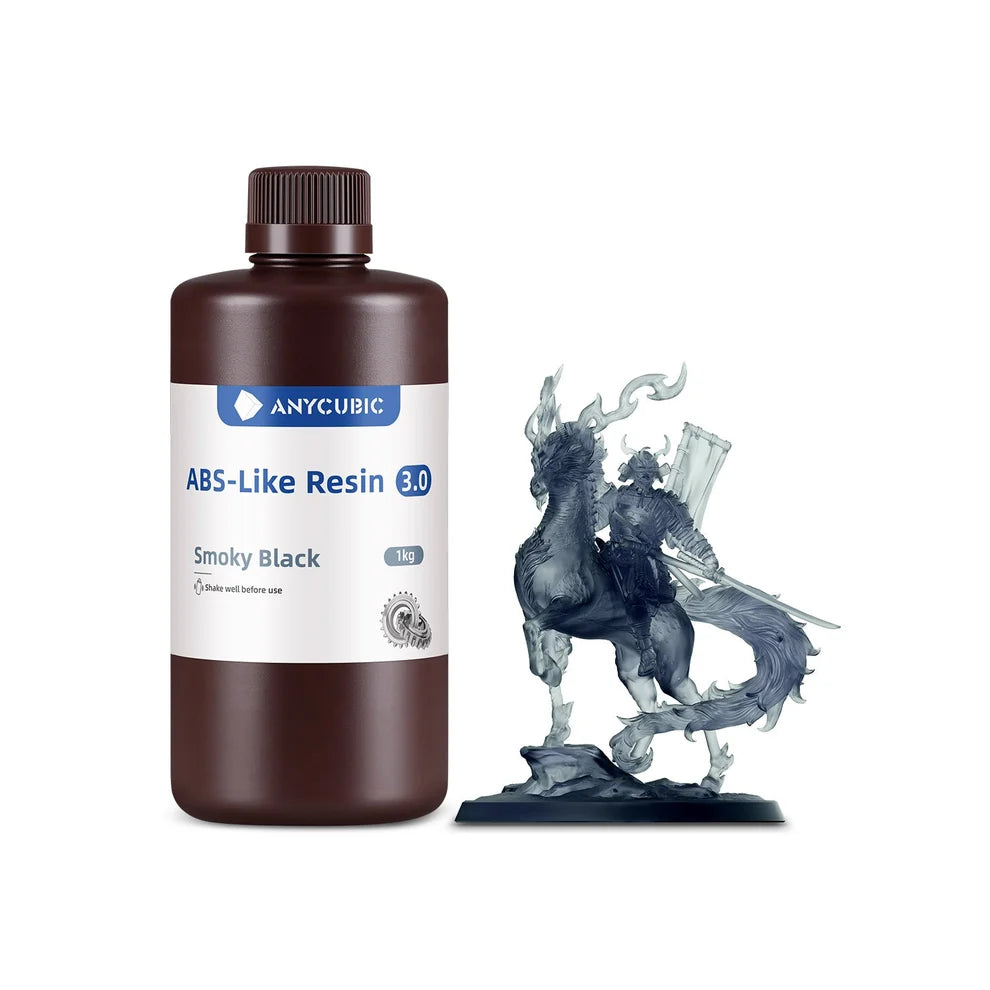
The Anycubic ABS-Like Resin 3.0 combines detail, toughness, and impact resistance for printing miniatures, accessories, and functional parts. Its formulation aims to reduce brittleness and offer a balance between rigidity and deformability.
Its low viscosity facilitates the flow of resin between layers, while its controlled shrinkage promotes the reproduction of details and the fit between components. A versatile option for figures, conversions, and parts that require frequent handling.
Frequently Asked Questions
What does it mean that it is an ABS-Like resin?
It is a photopolymer resin formulated to offer mechanical properties similar to those of ABS in certain aspects. It is used in resin printers and requires washing and subsequent UV curing.
Is it suitable for miniatures and bits?
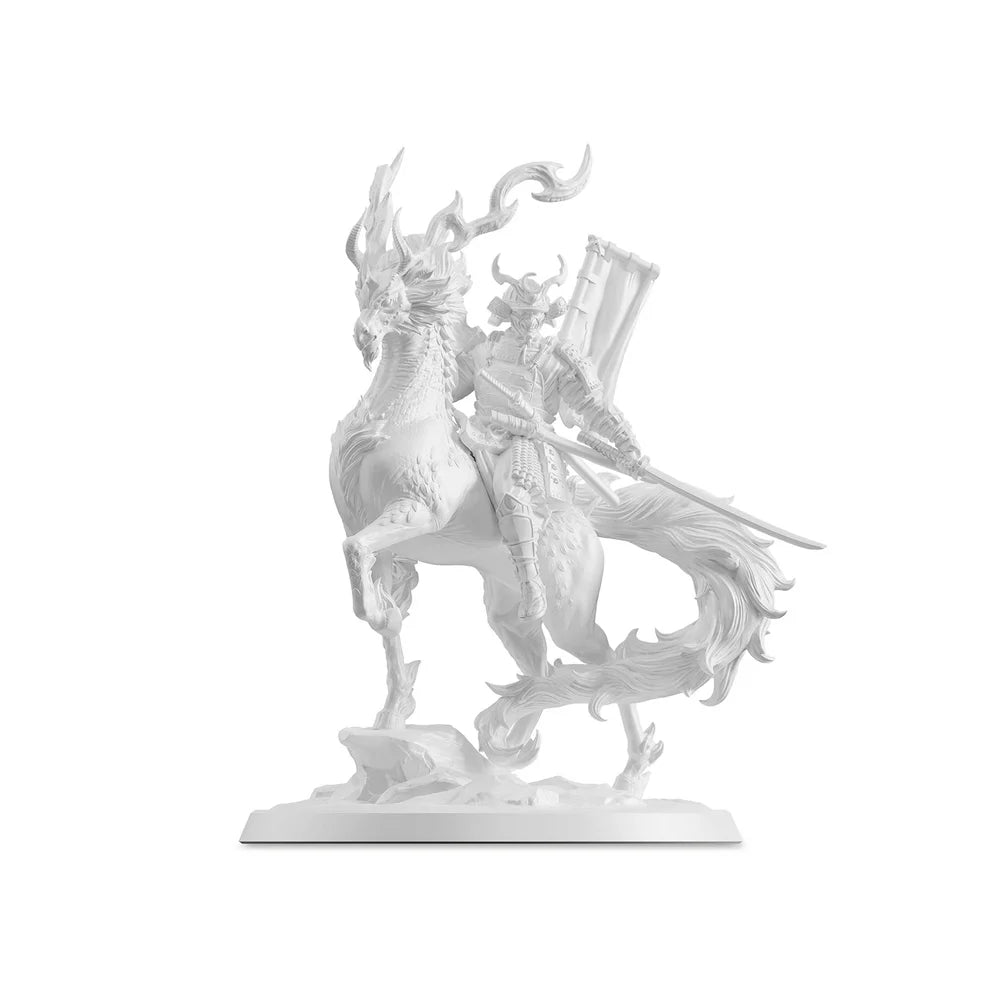
Yes. It combines detail reproduction with mechanical resistance, making it suitable for miniatures, weapons, accessories, and assembly components. The final resistance also depends on thickness, orientation, and curing.
What mechanical properties does it offer?
Anycubic indicates a hardness of 83–86 Shore D, tensile strength of 38–45 MPa, and elongation at break of 25–30%. These values correspond to the manufacturer's test conditions.
Which printers is it compatible with?
It is designed for LCD and DLP printers compatible with 365–405 nm resins. Check the recommended profile for your model and perform an exposure test before printing.
Can it be washed with water?
No. This version requires cleaning with isopropyl alcohol or another compatible cleaner. The water-washable ABS-Like 3.0 is a different product.
Does it need curing after washing?
Yes. Let the parts dry completely and perform the UV curing following the manufacturer's recommendations. The time depends on the equipment, size, and geometry of the part.
What exposure parameters should I use?
They depend on the printer, color, temperature, and layer height. Use the profile recommended by Anycubic as a starting point and calibrate the exposure for your setup.
Can I sand, drill, and paint the parts?
Yes, once washed, dried, and properly cured. Its formulation allows for finishing and assembly work; use tools and techniques appropriate for the thickness of the part.
Should it be shaken before use?
Yes. Shake the container well to homogenize the pigments and the formulation before pouring it into the vat.
How should it be stored?
Keep the container closed in a cool place, protected from sunlight and heat sources. Consult the label and the safety data sheet for its handling and storage.